For a long time, hot sauce in Japan felt like something you had to search for.
You could find Tabasco at restaurants. Maybe Sriracha at an import shop. Maybe a few bottles at Kaldi or Nissin if you knew where to look. But compared to places like the US, the Caribbean, Mexico, or Southeast Asia, Japan was never really known as a hot sauce country.
That is starting to change.
More people in Japan are trying spicy food. More international ingredients are showing up in supermarkets. More small brands are making sauces with real personality. And slowly, hot sauce is becoming less of a random imported condiment and more of a flavor category of its own.
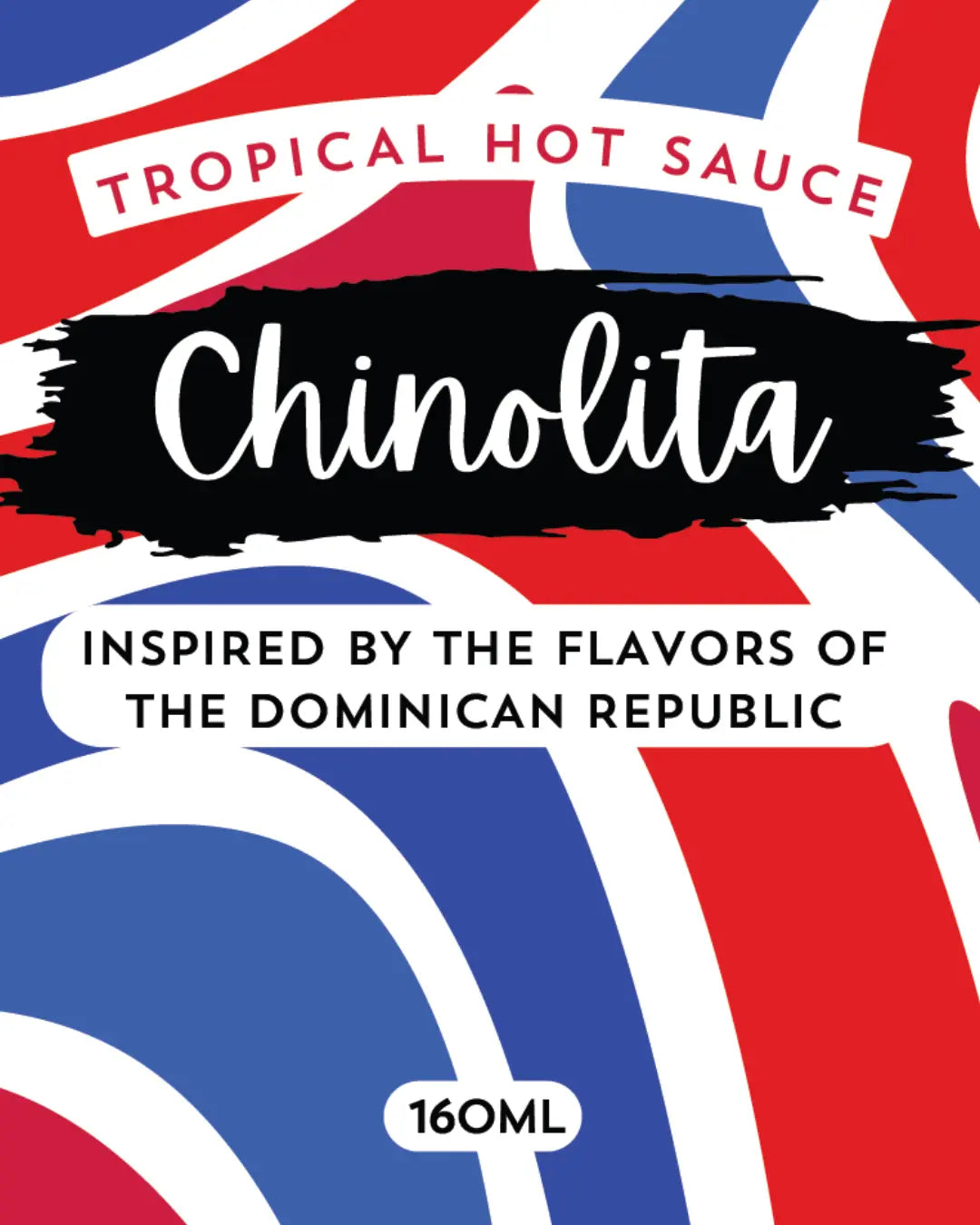
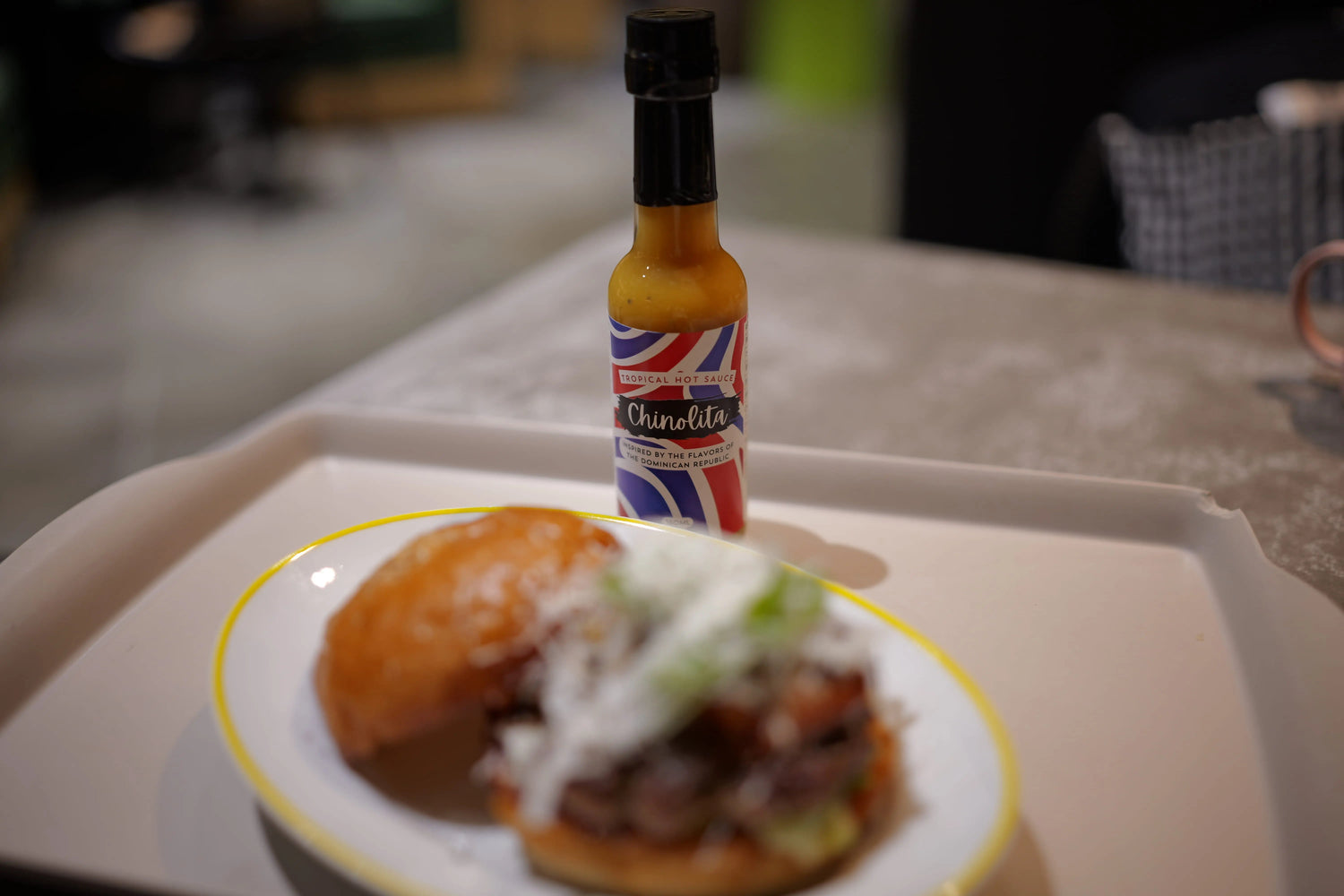
For us at Ambrosia Craft, that shift is exciting. Chinolita was created in Tokyo, but the flavor comes from the Caribbean heat we grew up with. Passion fruit, mango, pineapple, and habanero, balanced into one tropical hot sauce made for food, not just pain.
Why hot sauce is growing in Japan
The Japan hot sauce market is still young compared to bigger hot sauce cultures, but the interest is real.
A few things are pushing that growth.
1. People in Japan are eating more global food
Tacos, burgers, fried chicken, jerk chicken, pho, kebabs, birria, Dominican food, Thai food, Korean food, and spicy Chinese food are easier to find now than they were years ago.
When people eat more global food, they naturally start looking for the condiments that belong with those flavors.
Hot sauce fits right into that.
It is easy to use, easy to collect, and it can completely change a meal with just a few drops.
2. Craft food culture is already strong here
Japan understands craft.
Craft coffee, craft beer, natural wine, small bakeries, specialty ramen, local produce, handmade sweets. People here already care about quality, story, and details.
That same mindset works perfectly for craft hot sauce.
A good craft hot sauce is not just “very spicy.” It has balance. It has real ingredients. It has a story behind it. It can be fruity, smoky, tangy, fermented, garlicky, clean, sharp, or rich.
That is the difference between a sauce that only burns and a sauce you actually want to put on dinner.
If you want to go deeper on that, we wrote a beginner’s guide here: What Makes a Hot Sauce “Craft”?
3. Japanese food pairs better with hot sauce than people think
Some people think hot sauce only belongs on tacos or fried chicken.
But it works beautifully with Japanese food too.
Try it with:
- Karaage
- Gyoza
- Ramen
- Yakisoba
- Rice bowls
- Grilled chicken
- Eggs
- Tonkatsu
- Burgers
- Fried fish
- Mayo-based sauces
The key is choosing the right style of sauce.
For example, Chinolita has fruit, acidity, and habanero heat, so it does not just add spice. It cuts through richness and brings brightness to heavy foods. That is why it works with fried chicken, fatty meat, rice bowls, and even simple eggs.
You can see more pairing ideas on our Chinolita Tropical Hot Sauce page.
Hot sauce in Japan is moving from “import item” to “food culture”
The old image of hot sauce in Japan was simple: imported bottle, very spicy, maybe something you use only once in a while.
But now the category is changing.
People are looking for:
- Hot sauce made in Japan
- Craft hot sauce
- Fruit-based hot sauce
- Additive-free hot sauce
- Small-batch sauces
- Sauces that pair with Japanese food
- Sauces that look good on the table
- Sauces with flavor, not just heat
That is a big shift.
It means people are not only asking “how spicy is it?” They are also asking “what does it taste like?” and “what food should I use it on?”
That is where craft hot sauce can really win.
Where to buy hot sauce in Japan
If you are in Tokyo, you can find hot sauce in a few different places.
Import shops like Kaldi, Nissin World Delicatessen, National Azabu, and some international supermarkets usually carry familiar global brands. Specialty shops and pop-ups are starting to make the scene more interesting too.
Online is still one of the easiest ways to find something different, especially if you want a sauce made in small batches or a flavor you cannot find at a normal supermarket.
We put together a Tokyo guide here: Where to Buy Hot Sauce in Tokyo
And of course, you can order Chinolita Tropical Hot Sauce directly from Ambrosia Craft.
What this means for small hot sauce brands in Japan
The hot sauce market in Japan is still growing, which means small brands have a chance to shape the culture early.
That matters.
Because if hot sauce in Japan only becomes about extreme spice, a lot of people will miss the point.
The best hot sauces are not made to destroy your mouth. They are made to make food more exciting.
That is the lane we care about at Ambrosia Craft.
Real fruit. Real peppers. Small batches. Tropical flavor. Enough heat to wake up the food, but enough balance to keep you coming back.
Final thoughts
Japan may not be known as a hot sauce country yet, but the signs are there.
More people are trying spicy food. More stores are carrying sauces. More makers are experimenting. More customers are looking for something beyond the usual bottle.
And honestly, we think this is just the beginning.
Hot sauce belongs on the table here too.
Not to cover up the food.
To bring it to life.